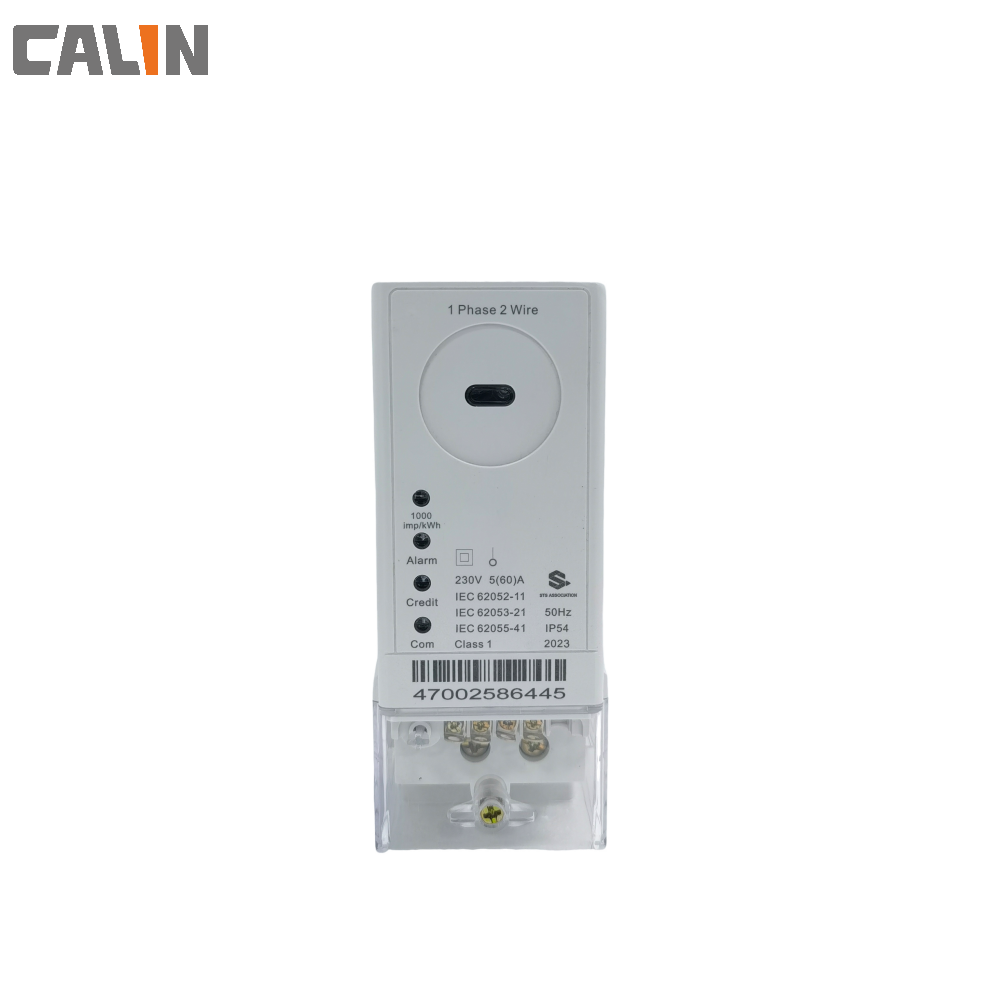
Single Phase Energy Meter
CA168 Smart STS Prepaid DIN Rail Energy Meter (LoRaWAN)
Model CA168-S-NS06
DIN rail STS prepaid energy meter with LoRaWAN communication for remote meter reading and token management.
View product detailsElectricity metering
Direct answer
An STS prepaid electricity meter measures energy and deducts credit loaded through a secure 20-digit token. Utilities can use standalone keypad models where continuous connectivity is not required, or select GPRS and LoRaWAN options for remote reading. The correct model depends on phase, current, installation, CIU access, vending integration and destination requirements.
Shenzhen Calinmeter Co., Ltd. (CalinMeters) supplies single-phase, three-phase and DIN-rail electricity meters for prepaid deployments. Use this page to compare the published models, understand the token and communication choices, and prepare the technical information needed for a quotation or pilot.
Published models
Open a model page for published specifications, application guidance, the current PDF and the project details that still need confirmation.
Single Phase Energy Meter
Model CA168-S-NS06
DIN rail STS prepaid energy meter with LoRaWAN communication for remote meter reading and token management.
View product details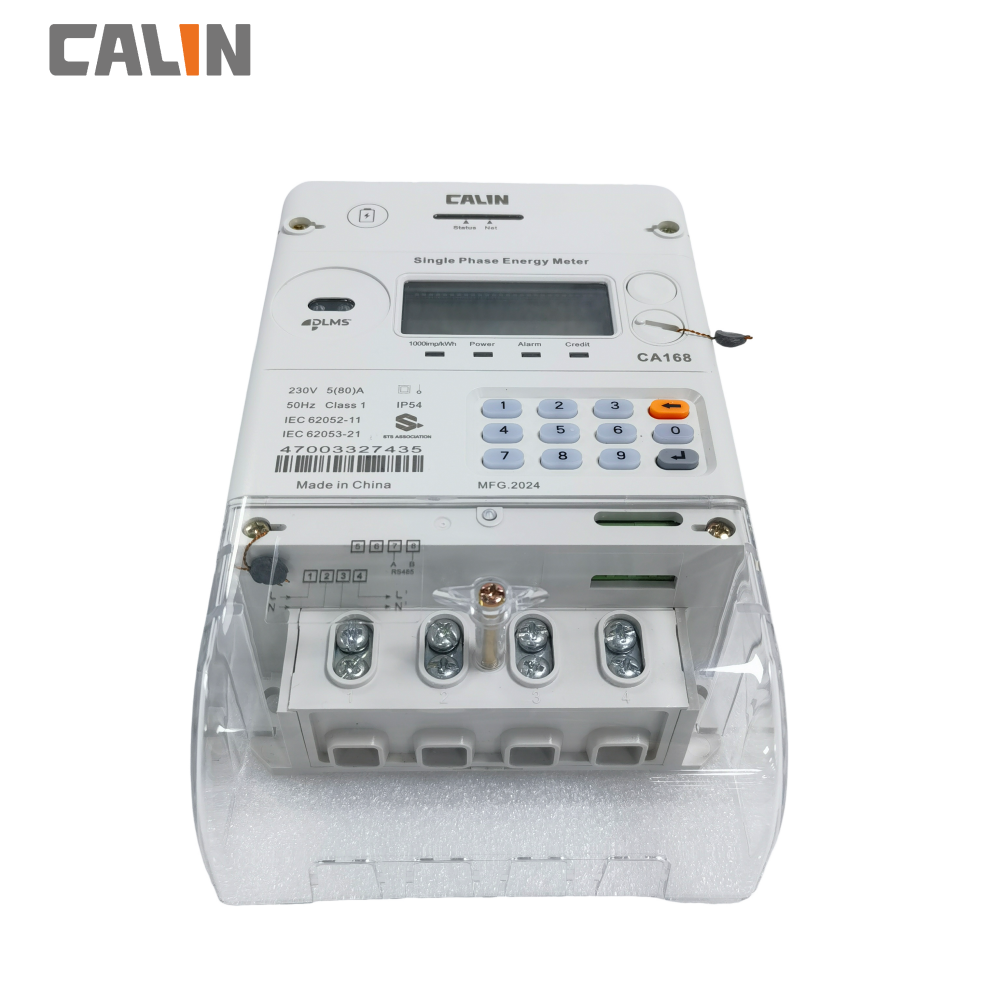
Single Phase Energy Meter
Model CA168-CS23
STS prepaid single-phase meter with GPRS communication for remote monitoring and control.
View product details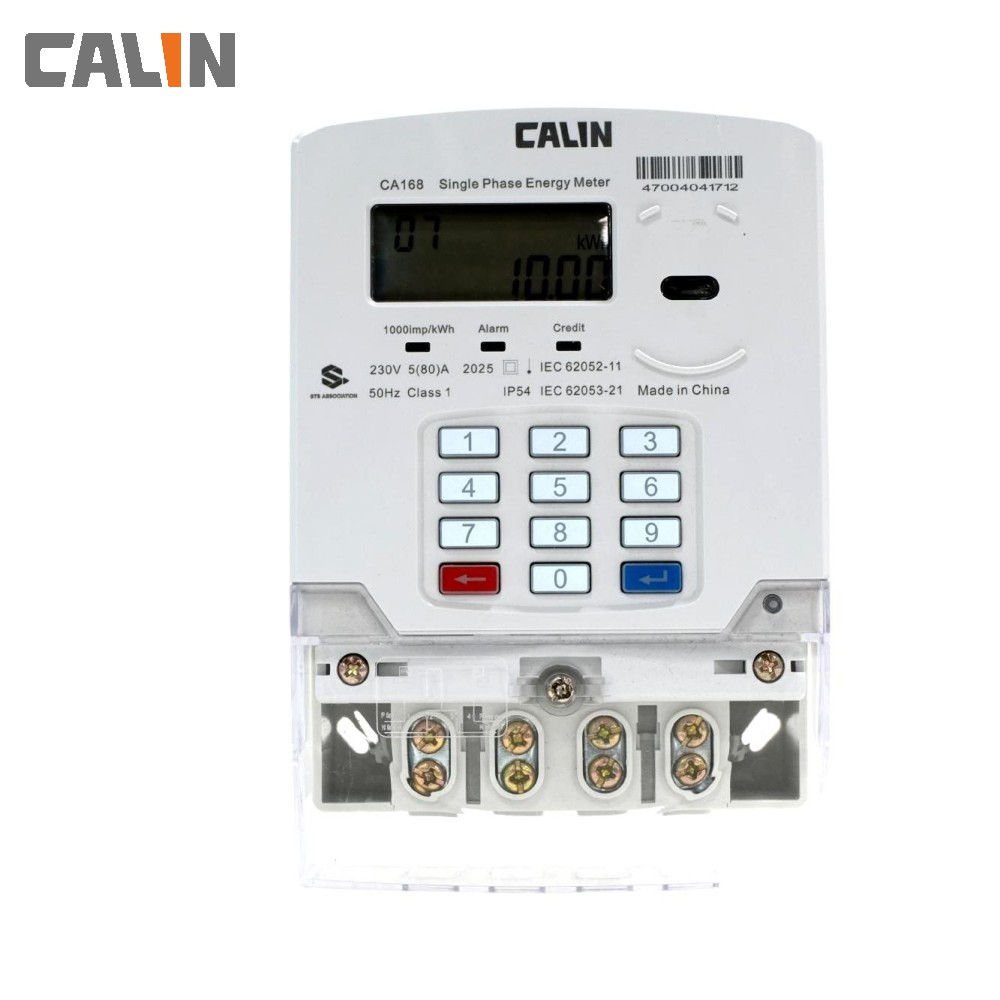
Single Phase Energy Meter
Model CA168
Standard STS prepaid single-phase energy meter with keypad for token entry.
View product details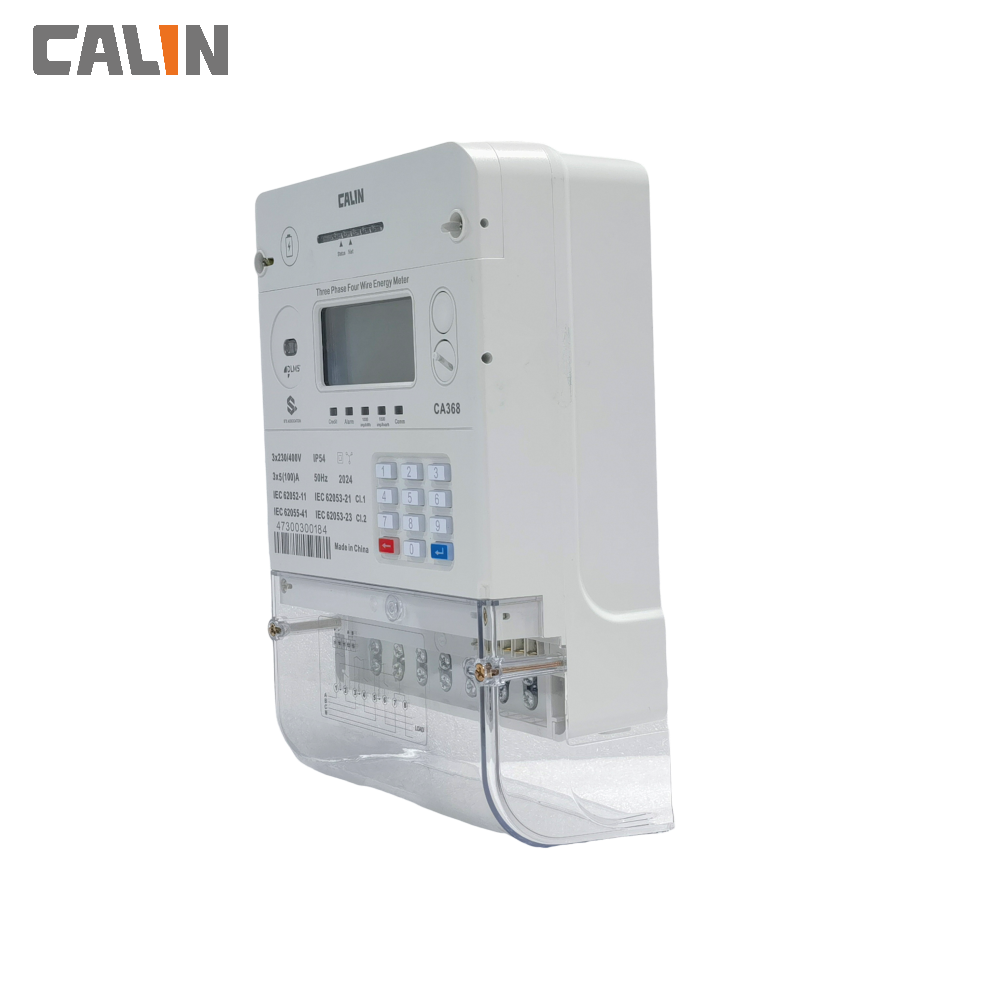
Three Phase Energy Meter
Model CA368-WS23
Three-phase STS prepaid electricity meter for commercial, industrial, and utility service connections, with GPRS communication for remote reading and management.
View product details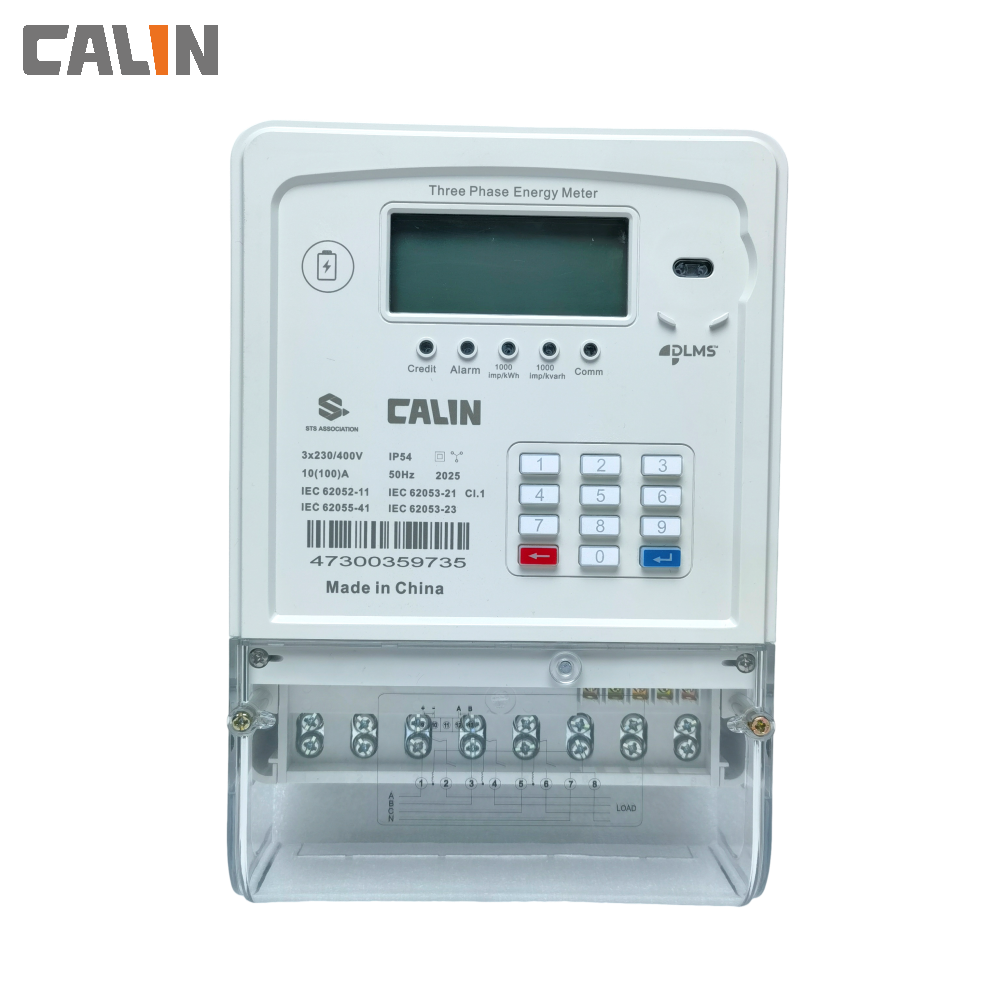
Three Phase Energy Meter
Model CA368-WS21
Standalone three-phase STS prepaid electricity meter with keypad token entry for projects that do not require always-on remote communication.
View product details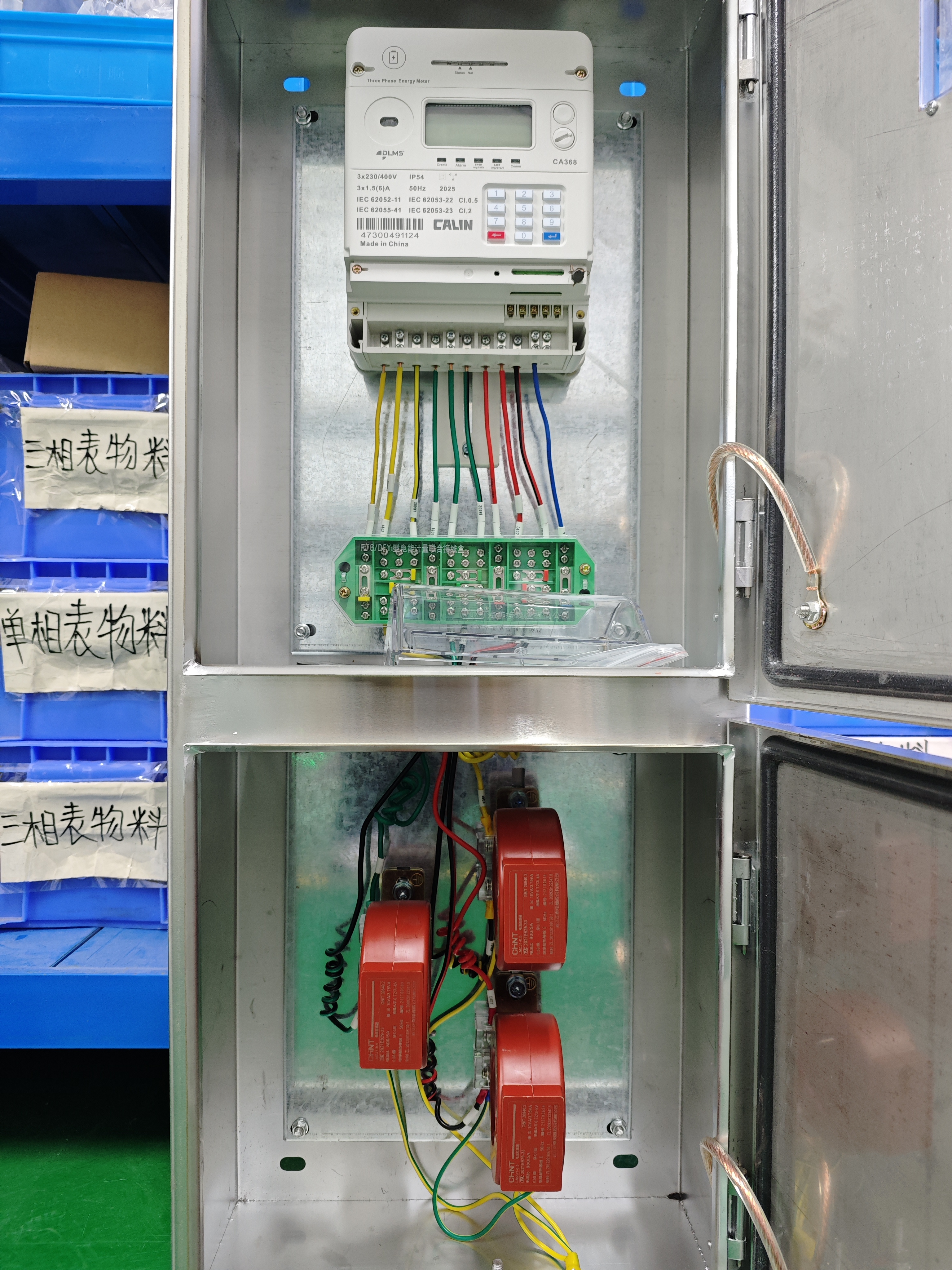
CT Meter
Transformer-operated (CT) energy meter for high-current commercial and industrial metering.
View product detailsModel comparison
Choose a direct-connected single-phase model when the service voltage and current match the published configuration. Use a three-phase four-wire model for supported commercial or utility service connections. A DIN-rail meter with a separate Customer Interface Unit can keep the main meter inside a protected cabinet while the customer enters tokens indoors. Select standalone STS when local token entry is sufficient, or evaluate GPRS or LoRaWAN when the operator also needs remote reading.
| Model and configuration | Published parameters | Buyer fit | Specification |
|---|---|---|---|
| CA168-S-NS06Single Phase Energy Meter |
| Residential and small commercial prepaid service connections | Download PDF |
| CA168-CS23Single Phase Energy Meter |
| Residential and small commercial prepaid connections | Download PDF |
| CA168Single Phase Energy Meter | Residential prepaid service connections | Request current specification | |
| CA368-WS23Three Phase Energy Meter |
| Commercial and utility three-phase service connections | Download PDF |
| CA368-WS21Three Phase Energy Meter |
| Commercial and utility three-phase prepaid connections | Download PDF |
| CT Operated Energy MeterCT Meter | Commercial and industrial services that use external current transformers | Request current specification |
Published values are transcribed from the current model datasheets. Confirm the final phase, voltage, current or CT ratio, wiring, communication option, installation conditions and destination requirements in the quotation and pilot.
Buyer selection guide
Confirm single-phase or three-phase service, nominal voltage, frequency, maximum current and whether an external current transformer is required.
Use a built-in keypad where customers can reach the meter. Use a DIN-rail or protected meter with a Customer Interface Unit when the main meter is outside, locked or pole-mounted.
Standalone STS supports local token entry. GPRS can provide direct cellular connectivity, while LoRaWAN can aggregate many meters through shared gateways.
Document the vending platform, key-management responsibilities, sales channels, mobile-money flow and any API connection to existing utility systems.
List the destination standards, utility specifications, test documents and representative pilot checks required before a production order.
STS workflow
The Standard Transfer Specification (STS) provides a token-based method for transferring prepaid credit to a registered meter. Network communication can add remote operations, but the basic keypad workflow does not require every meter to remain online.
The operator records the meter identity and required vending configuration in the prepaid management system.
The customer purchases a selected credit amount through an approved sales or payment channel.
The vending system produces a 20-digit token associated with that meter and transaction.
The customer enters the token on the meter or CIU; the meter accepts valid credit and deducts it as electricity is consumed.
Buyer questions
An STS prepaid electricity meter is a meter that uses the Standard Transfer Specification to accept secure 20-digit recharge tokens. It is commonly used by utilities, landlords, and property operators that need token-based credit control without requiring every meter to stay online.
A three-phase prepaid electricity meter is normally used for three-phase commercial, industrial, or utility service connections. The buyer should confirm the nominal voltage, maximum current or CT ratio, installation method, accuracy requirement, communication coverage, and destination-market standards before selecting a model.
Both CA368 models support STS 20-digit token prepayment for three-phase service connections. The CA368 GPRS model adds direct cellular communication for remote reading, monitoring, and meter management. The standalone CA368 STS model uses keypad token entry without requiring always-on remote communication, which is suitable when secure prepayment is needed but direct cellular management is not.
A split keypad prepaid meter is useful when the main meter is installed outdoors, locked in a cabinet, mounted on a pole, or placed where the customer should not access the wiring compartment. The CIU gives the customer an indoor keypad for token entry, balance checking, and consumption information while the main meter remains protected.
No. The basic technology used in prepaid meters is STS (Standard Transfer Specification), a secure message system that does not require internet. The sales point encrypts credit information to generate a 20-digit token, which the user enters via the meter keypad to recharge. A SIM card is only needed for remote meter reading or remote management functions.
A token based prepaid meter uses STS security to load credit before consumption. The operator registers the meter in a vending system, the customer buys credit, the system generates a secure 20-digit token, and the customer enters that token on the meter keypad or CIU. Remote recharge can also be supported when the project uses GPRS, LoRaWAN, or AMI integration.
Project inquiry
Send the service conditions, communication plan, quantity, destination requirements and pilot criteria. CalinMeters can then review the published models against your project.